Plan your visit to Underwater World Langkawi
Underwater World Langkawi is a large island aquarium best known for its 15m underwater tunnel, penguin habitats, and rainforest-to-ocean layout. It’s easy to visit in under 2 hours, but the experience feels fuller if you time it around at least one feeding session rather than treating it as a quick walk-through. Crowds build fast on rainy afternoons and school holidays because it’s one of Pantai Cenang’s easiest indoor attractions. This guide covers timing, tickets, the route, and the practical details that make the visit smoother.
Quick overview: Underwater World Langkawi at a glance
If you want the fast version before you plan the rest, start here.
- When to visit: Open daily, with longer hours on weekends, public holidays, and school holidays; weekday mornings right after opening are much calmer than rainy afternoons, when beachgoers and tour groups often pivot indoors at the same time.
- Getting in: From RM50 for standard entry, with international adult admission typically at RM62; pre-booked tickets help most on Malaysian school holidays and holiday weekends, but ordinary weekdays are usually fine to book last-minute.
- How long to allow: 1.5–2 hours works for most visitors, but it stretches closer to 2.5–3 hours if you want feeding sessions, tunnel photos, and slower time in the penguin and rainforest zones.
- What most people miss: The indoor rainforest opener, the hexagonal shark tank, and the 3:30pm tunnel feeding are easy to rush past if you head straight for the tunnel.
- Is a guide worth it? Usually no, because the route is easy to follow on your own, but it adds value if the aquarium is one stop on a wider Langkawi sightseeing day.
Jump to what you need
🕒 Where and when to go
🗓️ How much time do you need?
🎟️ Which ticket is right for you?
🗺️ Getting around
🐧 Which animals to prioritize
♿ Facilities and accessibility
Where and when to go
How do you get to Underwater World Langkawi?
Address: Zon Pantai Cenang, Mukim Kedawang, 07000 Langkawi, Kedah, Malaysia
- Taxi / Grab: Pantai Cenang drop-off → 1–2 minute walk → easiest option if you’re not renting a car.
- Rental car/scooter: On-site parking lot → 1–2 minute walk → free, but it fills faster on weekends and school holidays.
- Walking: From central Pantai Cenang → 5–10 minute walk → practical if you’re staying along the beach strip.
- Tour coach: Main entrance drop-off → direct access → common with island highlights tours.
Which entrance should you use?
There’s one main public entrance, so the only real decision is whether you want to buy at the counter or arrive with a pre-booked ticket already on your phone.
- Main entrance: Located at the front of the Zon Pantai Cenang complex. Expect 5–15 minutes of waiting during regular days, and closer to 15–25 minutes on rainy afternoons, weekends, and school holidays.
When is Underwater World Langkawi open?
- Monday–Friday: 10am–6pm
- Saturday, Sunday, public holidays, and school holidays: 9:30am–6:30pm
- Last entry: 30 minutes before closing
When is it busiest? Weekends, Malaysian school holidays, and rainy afternoons are the busiest, because Pantai Cenang visitors often swap beach plans for the aquarium at short notice.
When should you actually go? Aim for the first hour of the day on a weekday if you want clearer tunnel views, easier photos, and less crowding around the penguin habitats.
How much time do you need?
| Visit type | Route | Duration | Walking distance | What you get |
|---|---|---|---|---|
Highlights only | Entrance → Tunnel Tank → Penguinarium → Tropical Rainforest → Exit | 60–90 mins | ~1km | Covers the signature marine tunnel, penguins, and main freshwater exhibits. Best for short Pantai Cenang itineraries. |
Balanced visit | Entrance → Tunnel Tank → Penguinarium → Rainforest Zone → Flamingos & Reptiles → Feeding Areas → Exit | 1.5–2 hrs | ~1.5km | Adds animal feeding zones and slower viewing time without feeling rushed. Good if you want photos and family breaks. |
Full exploration | Full aquarium route with all tanks, feeding sessions, and rest stops | 2.5+ hrs | ~2km | Lets you see every section comfortably, including smaller exhibits most visitors skip. Best for families and wildlife enthusiasts. |
How do you get around Underwater World Langkawi?
The layout is mostly linear, which makes it easy to self-navigate even on a first visit. You move from land and freshwater habitats into colder penguin zones, then into the marine section and tunnel before finishing with smaller themed tanks and the koi pond.
How the aquarium is laid out
- Tropical rainforest and river zone: Birds, freshwater fish, reptiles, and lush indoor planting → budget 20–30 minutes.
- Temperate and sub-Antarctic sections: African penguins, rockhopper penguins, and fur seals → budget 20–30 minutes.
- Marine section and underwater tunnel: Large open-water species, sharks, rays, and turtle sightings → budget 20–25 minutes.
- Coral reef and venomous creatures: Smaller reef fish, bright coral tanks, and dangerous species like lionfish and stonefish → budget 15–20 minutes.
- Koi pond and exit area: Calm finishing stop with feeding activity and benches → budget 10 minutes.
Suggested route: Don’t sprint to the tunnel first. The visit works better if you follow the natural order from rainforest to penguins to tunnel, because the story of the space builds from land to ocean, and the hexagonal shark tank plus smaller reef sections are what most visitors skip once they think the tunnel is the finale.
Maps and navigation tools
- Map: The route is simple enough that a full map isn’t essential; a quick look at the entrance layout is usually enough before you start.
- Signage: Wayfinding is good for the main route, but you can still miss smaller themed exhibits if you rush between penguins and the tunnel.
- Audio guide / app: The standard visit is self-guided, with exhibit labels doing most of the work, so you won’t miss a formal app-based tour.
- Large outdoor POIs only: Not applicable.
💡 Pro tip: Save a second slow pass for the tunnel if the first one is crowded — most people stop once, take photos, and move on, so the view often clears within a few minutes.
Which animals and habitats should you prioritize?

African penguins
Species: African penguin
These are one of the aquarium’s most crowd-pleasing residents, and they’re especially fun to watch when they switch from awkward waddling on land to fast, clean underwater movement. Most visitors spend too much time on the dry viewing side and miss how good the underwater windows are for seeing their speed and behavior. If you can, time this section around the late-morning or mid-afternoon feeding.
Where to find it: In the temperate section before you reach the main marine tunnel.
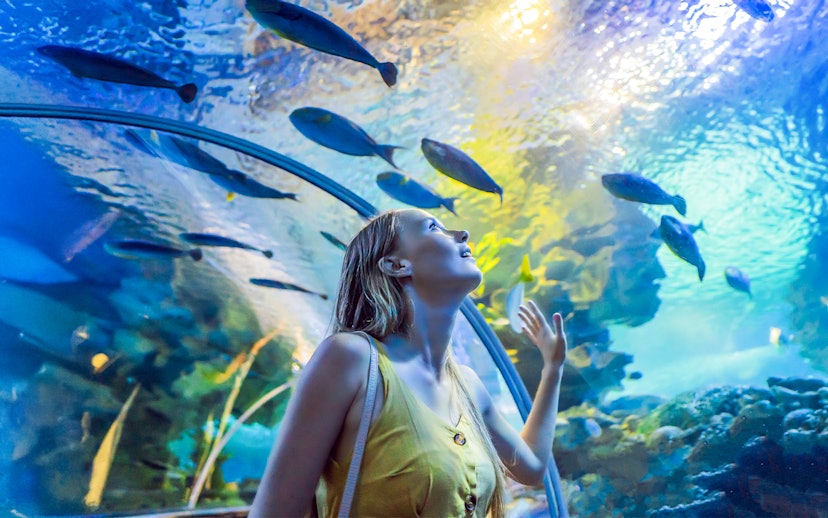
Underwater tunnel
Habitat: Open-ocean marine tank
This is the headline experience for a reason: rays glide over your head, sharks patrol slowly through the water, and large pelagic fish circle above the walkway. What people often miss is that the tunnel changes a lot depending on timing — it’s much better during quieter windows or near the 3:30pm feeding, when the big animals come closer and movement increases.
Where to find it: In the marine section, after the penguin and cold-climate habitats.
Southern rockhopper penguins
Species: Southern rockhopper penguin
These penguins are smaller, scrappier-looking, and more distinctive than many visitors expect, especially with their yellow eyebrow crests. They’re easy to overlook if you assume the first penguin habitat is the only one worth stopping for. Slow down here and watch for how active they are around the rocks and waterline rather than just scanning from a distance.
Where to find it: In the sub-Antarctic section, close to the colder-climate animal exhibits.
Hexagonal shark tank
Habitat: Shipwreck-themed shark exhibit
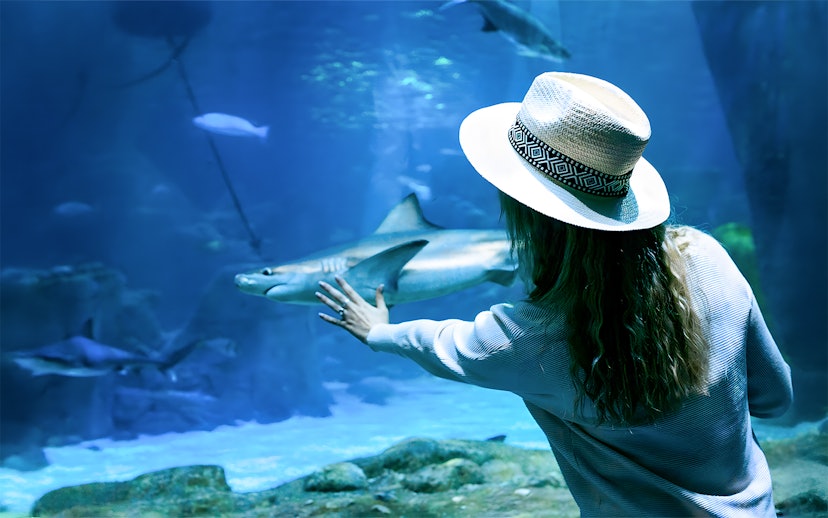
This tank feels more dramatic than its size suggests because the six-sided design gives you multiple close-up angles on the sharks as they circle the wreck backdrop. Most people glance once and move on to the tunnel, but this is actually one of the best places to watch black-tip and white-tip reef sharks up close without the bigger marine crowd around you.
Where to find it: Along the main aquarium route before the final reef-focused exhibits.
Tropical rainforest and giant freshwater fish
Habitat: Indoor rainforest and river ecosystem
The visit starts here, and that means lots of people treat it like a warm-up when it’s actually one of the most unusual parts of the aquarium. You’ll see free-flying birds, lush planting, and giant freshwater species like arapaima that feel completely different from the later marine tanks. The thing most visitors miss is how strong the land-to-river-to-sea progression is if you don’t rush past it.
Where to find it: Right at the start of the visit, before the colder-climate and marine zones.
Coral reef and venomous marine life
Habitat: Reef tanks and defensive-species displays
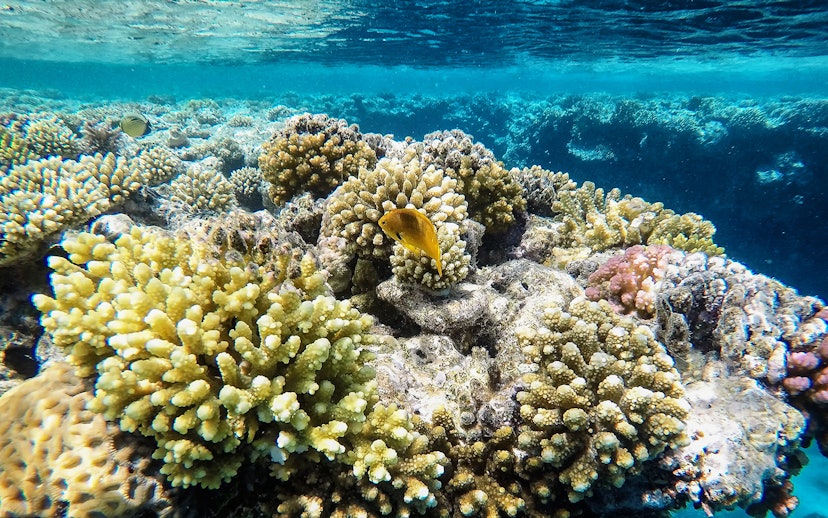
This is where the aquarium gets more detailed and rewarding if you’re willing to stop instead of heading for the exit after the tunnel. Bright reef fish, coral displays, lionfish, moray eels, and stonefish make this one of the most varied final sections. Many visitors barely register it because the tunnel feels like the climax, but this is where the smaller, stranger details of marine life really show.
Where to find it: Toward the end of the route, after the main tunnel and large-tank section.
Facilities and accessibility
- 🎒 Bags: Small day bags are practical here, but this is not a luggage-friendly stop if you’re arriving straight from a transfer.
- 🚻 Restrooms: Restrooms are available inside, so you don’t need to leave the attraction for a quick stop mid-visit.
- 🍽️ Food: Cafes, snack stops, and fast-food options sit in or beside the Zon Pantai Cenang complex, so eating is easiest before or after the aquarium rather than during it.
- 🛍️ Shopping: The exit flows into duty-free and souvenir shopping, which is handy if you want chocolates, small gifts, or tax-free buys without making another stop.
- 🪑 Seating: Benches are easiest to find near the koi pond and exit area, which makes that section a useful rest stop before you leave.
- 🅿️ Parking: Free parking is available in front of the complex, but spaces go faster on weekends, public holidays, and school-holiday afternoons.
- ♿ Mobility: The main route is mostly flat and includes ramp access into the building, but not every smaller area is equally easy, and some sections may be less convenient than the tunnel and central galleries.
- 👁️ Visual impairments: This is a strongly visual attraction with dim lighting in parts of the tunnel and cold-climate zones, so visiting with a companion is more practical than relying on labels alone.
- 🧠 Cognitive and sensory needs: Weekday mornings are the calmest option, while feeding sessions, rainy afternoons, and holiday periods bring the loudest and most crowded conditions.
- 👨👩👧 Families and strollers: Strollers work well on the main route, but crowd build-up around penguin windows and the tunnel can make stops slower than the walking distance suggests.
This is one of Langkawi’s easier indoor family attractions, and children usually get the most out of the penguins, tunnel, and koi pond rather than the full set of interpretive displays.
- 🕐 Time: Around 1.5–2 hours is realistic with children, and the penguins plus tunnel are the sections most worth prioritizing.
- 🏠 Facilities: Restrooms, seating near the end, nearby food outlets, and easy stroller use on the main route make the visit fairly manageable with younger kids.
- 💡 Engagement: Let children look for one ‘favorite animal’ in each zone — rainforest, penguin, tunnel, and reef — so the visit feels like a mini treasure hunt rather than one long walk.
- 🎒 Logistics: Bring a small bag, a water bottle for before or after entry, and aim for the first part of the day if your child gets overwhelmed by crowds.
- 📍 After your visit: Pantai Cenang Beach is just across the road, so it’s an easy reward stop if your group still has energy.
Rules and restrictions
What you need to know before you go
- Entry requirement: You’ll need a valid admission ticket, and discounted Malaysian rates depend on showing MyKad at entry.
- Bag policy: Small bags and backpacks are the easiest fit for this visit, while large luggage is awkward in the galleries and better left at your hotel or in your vehicle.
- Re-entry policy: Re-entry is generally not part of the standard visit, so treat food, shopping, and restroom stops as part of your route before you leave the building.
Not allowed
- 🚫 Food and drink: Eat before or after your visit rather than inside the exhibit route, where tanks and walkways are kept clear.
- 🚬 Smoking and vaping: Smoking and vaping belong outside the aquarium, not inside the galleries.
- 🐾 Pets: Pets are not part of the standard visit, and it’s best to confirm service-animal arrangements directly before arrival.
- 🖐️ Touching animals or glass: Don’t tap glass or touch animals outside supervised interaction areas, because it stresses the animals and disrupts viewing for everyone else.
Photography
Personal photography is fine for most of the visit, and the tunnel plus penguin areas are where most people spend the most camera time. Flash is best avoided around animals, especially in darker sections, and bulky tripods or selfie-stick setups are a poor fit for narrow, busy viewing areas. If you’re visiting during a feeding session, expect people to cluster around the glass quickly.
Good to know
- Feeding times shape crowd flow: Late-morning penguin viewing and the 3:30pm tunnel feeding are the moments when the route feels most congested.
- Rain changes everything: A cloudy or wet afternoon often means heavier indoor crowds, because beachgoers in Pantai Cenang switch plans fast.
Practical tips
- Booking and arrival: You can usually book last-minute on regular weekdays, but pre-booking makes more sense on school holidays and rainy weekends when the cashier line moves slower than the actual entry line.
- Pacing: Don’t spend all your energy at the tunnel first — the rainforest opener, penguins, and the hexagonal shark tank are what most rushed visitors shortchange.
- Crowd management: The smartest slot is the first hour on a weekday, because you’ll beat both tour groups and the weather-driven afternoon crowd that drifts in from Pantai Cenang.
- Feeding strategy: If feeding sessions matter to you, plan your route around them instead of wandering randomly; the penguin feeds and the 3:30pm tunnel feed change the experience more than people expect.
- What to bring or leave behind: Bring a small bag and keep your hands free for photos, because big backpacks feel clumsy in the darker, tighter viewing areas.
- Food and drink: Eat before or after your visit rather than mid-visit, since the nearby cafes and duty-free complex make it easy to combine a meal with the aquarium without breaking your flow.
- Photography: If tunnel photos matter, do one quick pass first and a second slower pass a few minutes later, when the first wave of people has already moved on.
What else is worth visiting nearby?
Commonly paired: Pantai Cenang Beach
Distance: 100m — 2-minute walk
Why people combine them: It’s the easiest same-area pairing in Langkawi: you can do the aquarium in the heat or rain, then walk straight to the beach when conditions improve.
Commonly paired: Langkawi Cable Car
Distance: 1km — 3-minute drive
Why people combine them: Both attractions are in the same area, making it easy to pair the Cable Car with an immersive rainforest night walk.
Also nearby
Cenang Mall
Distance: 800m — 10-minute walk
Worth knowing: Handy for snacks, shopping, or a quick AC break after your visit.
The Zon Duty Free
Distance: 1–2-minute walk
Worth knowing: Easy stop for duty-free chocolates, souvenirs, and quick shopping.
Eat, shop and stay near Underwater World Langkawi
- On-site: Cafes and snack stops in the Zon Pantai Cenang complex are convenient for a quick pre- or post-visit bite, but they work better as a practical fallback than a destination meal.
- McDonald’s Pantai Cenang (1-minute walk, Jalan Pantai Cenang): Fast, predictable, and useful if you want something easy before heading back to the beach or hotel.
- Cenang Mall food outlets (10-minute walk, Jalan Pantai Cenang): A better option if your group wants choice, air-conditioning, and a more flexible meal stop after the aquarium.
- Beachfront restaurants along Pantai Cenang (2–10-minute walk, Jalan Pantai Cenang): Best if you want to slow the day down with a proper sit-down meal after an indoor visit.
- 💡 Pro tip: Visit the aquarium first and eat afterward — once you’re inside, the route works better as one continuous visit than as a stop-start outing.
- The Zon Duty Free: Tax-free chocolates, liquor, perfume, and travel buys right beside the aquarium, making it the easiest shopping stop to combine with your visit.
- Cenang Mall: A practical nearby option for gifts, pharmacy items, casual fashion, and essentials if you want more than duty-free shopping.
Pantai Cenang is the easiest base for visiting Underwater World Langkawi, with walkable access to the aquarium, beach, shops, and restaurants.
- Price point: The area skews mid-range to resort-heavy, though there are still some budget-friendly stays if you book early.
- Best for: Short stays, beach-focused trips, and families who want to keep transport logistics simple.
- Consider instead: Kuah works better if you want cheaper town-based lodging, while Tanjung Rhu or Datai suits a quieter resort stay that feels more removed from the busy tourist strip.
Frequently asked questions about visiting Underwater World Langkawi
Most visits take 1.5–2 hours. If you want to catch feeding sessions, take lots of photos, or you’re visiting with children who like to linger at the penguin and tunnel areas, it can stretch closer to 2.5–3 hours.
No, you usually don’t need to book far in advance for a normal weekday visit. Pre-booking is most useful on Malaysian school holidays, public holidays, rainy weekends, and afternoons when Pantai Cenang visitors suddenly shift indoors.
Arriving 10–15 minutes early is enough for most visits. If you’re buying tickets at the counter on a holiday or rainy afternoon, give yourself 20–30 minutes so the cashier line doesn’t eat into the best part of your visit.
Yes, a small bag or backpack is fine and practical for this visit. Large luggage is a poor fit for the darker galleries and narrower viewing areas, so it’s better left in your hotel room or vehicle.
Yes, personal photography is generally fine. You’ll get the best results in the tunnel and penguin areas, but flash is best avoided around animals, and large tripods or selfie-stick setups are awkward when the route is busy.
Yes, group visits work well here and are common with school parties, families, and island tour groups. The route is easy to follow, but big groups should agree on a meeting point early because people naturally spread out around the penguins and tunnel.
Yes, it’s one of Langkawi’s easier family attractions, especially for younger children. The penguins, tunnel, koi pond, and indoor comfort make it a strong rainy-day or midday option, and most families find 1.5–2 hours is the right length.
Partly, yes. The main route, including the tunnel and central galleries, is mostly flat and easier to manage, but some smaller areas are less straightforward, so it’s worth checking with staff at the entrance for the smoothest route.
Yes, food is easy to find around the attraction. The aquarium sits in the Zon Pantai Cenang complex and next to Pantai Cenang’s restaurant strip, so you can eat before or after your visit without needing extra transport.
The most useful feeding times to plan around are the African penguin feeds at 11am and 2:45pm, plus the main tunnel feeding at 3:30pm. These are the best moments if you want more animal activity and a fuller visit than a simple walk-through.
Yes, it’s one of the best rainy-day options in Pantai Cenang. Just know that everyone else has the same idea, so wet weather often means bigger crowds rather than a quieter visit.
.svg?auto=compress%2Cformat&w=156&h=48&q=90&crop=faces&fit=crop)