.svg?auto=compress%2Cformat&w=156&h=48&q=90&crop=faces&fit=crop)
- Why this month: Mid-May is when roadside fruit stalls start waking up around Ulu Melaka.
- Best time: 4pm–6pm
- Book by: No booking needed
- Crowds: Low
- This is when Langkawi starts smelling like fruit season, especially away from the beach strip.
- Don't miss: Early local durian varieties before the bigger June rush
- Insider tip: Drive Jalan Ulu Melaka slowly; the best stalls are often the simplest ones with fruit stacked in shade.
Langkawi in May Weather Crowds Events and Travel Tips
Langkawi in the shoulder season: how May compares
| Category | April | May | June |
|---|---|---|---|
Weather | 31–33°C (88–91°F); mostly clear mornings, more afternoon showers | 31–32°C (88–90°F); humid, with regular showers building | 27–31°C (81–88°F); frequent heavy afternoon rain |
Crowds | Moderate | Low to moderate, except Labour Day weekend | Low |
Atmosphere | Easygoing shoulder season | Split between beach mornings and rainy-afternoon backups | Green, wet, slower-paced |
Key events | Earth Day programmes, late dry-season kayaking | Labour Day, Vesak Day, International Museum Day, RLYC Club Cup, early durian season | King's Birthday, Dragon Boat Festival, monsoon start |
Public holidays | None of the big national holiday spikes | May 1, May 12, and expected May 27, 2026 | June 6, 2026 |
Budget | Better than peak season | Good value outside holiday dates | Cheapest of the three |
Best for | Kayaking, photography, light crowds | Watersports deals, mixed itineraries, fruit season | Waterfalls, hotel deals, quieter stays |
Book early? | Weekends only | Yes for Labour Day weekend and holiday dates | Usually not, except special event weekends |
Transport tips | Boat trips still run smoothly | Book sea tours early in the day | Confirm ferries and outer-island services before you go |
Top things to do in Langkawi in May
Offbeat experiences in May
Planning your May visit
| Lead time | What to book | Why & when | Seasonal price change |
|---|---|---|---|
4–6 weeks ahead | Hotels for Labour Day weekend | Book by late March for Apr 30–May 3 stays; domestic long-weekend demand is the main driver | Apr 30–May 3: often +15–25% vs mid-May weekdays |
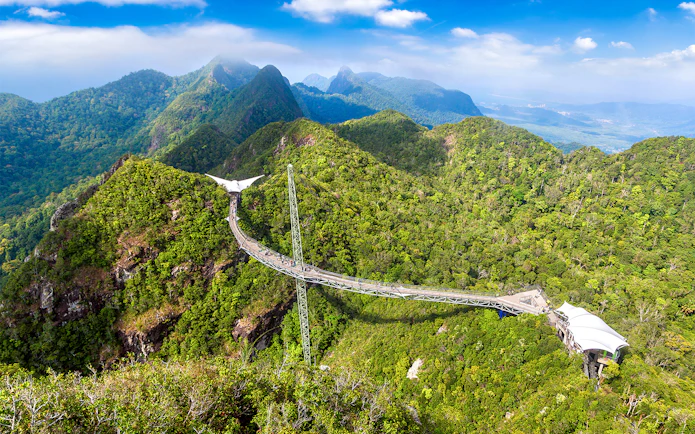
2–3 weeks ahead | Langkawi SkyBridge with Cable Car Tickets | Public-holiday mornings and clear-weather weekends fill first | Weekend morning slots can feel 10–15% tighter than weekday demand even if base pricing stays similar |
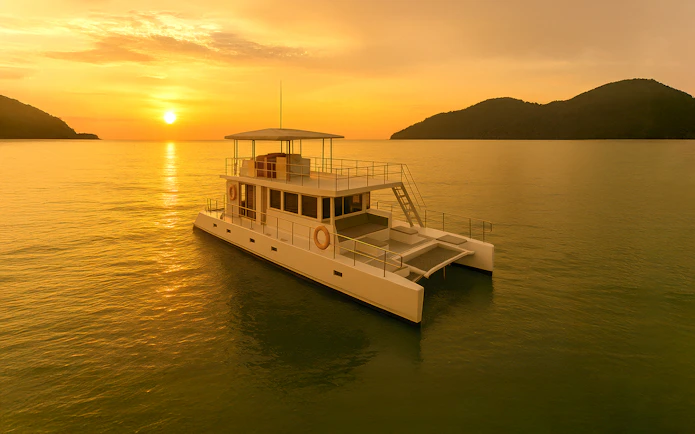
2–3 weeks ahead | Langkawi Sunset Cruise with Buffet Dinner & Unlimited Drinks | Book by early May for Friday–Sunday sailings; golden-hour departures go first | Weekend cruise slots: often +10–20% vs weekday departures |
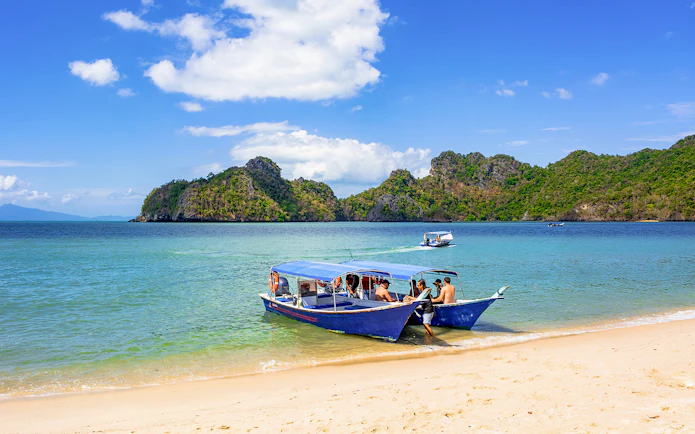
1–2 weeks ahead | By Shared Speedboat: Langkawi Island Hopping Tour | Early departures are the safest May bet; don't leave these to the night before | Usually close to base price; hotel transfer add-ons can push totals +5–10% |
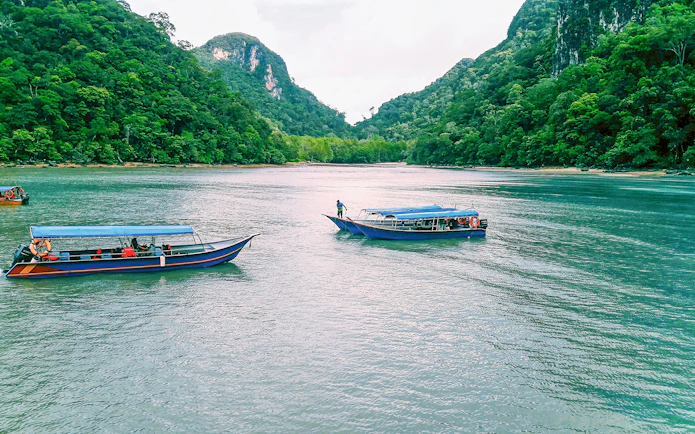
1 week ahead | Langkawi Mangrove Tour | Morning shared tours are more reliable than late-day plans in this month | Often stable; holiday dates may lift prices about +5–10% |
5–7 days ahead | Water Activities in Pantai Cenang | May is the last strong window before more monsoon-related interruptions | Often 10–20% below January–March weekend-style demand |
3–5 days ahead | Langkawi Underwater World Tickets | Good rain backups; book once your forecast firms up | Usually stable; weekends can edge up by 0–10% |
3–5 days ahead | Car and Motorbike Rental Langkawi | Useful if you're planning inland fruit stalls, Kuah, and beach-hopping in one day | Weekend and public-holiday hires can run +10–15% vs weekday base |
May highlights: must-do experiences for different travellers
Langkawi in May: your perfect 3-day itinerary
Best day trips from Langkawi in May
Go shopping in Langkawi in May
-
-
-
-