.svg?auto=compress%2Cformat&w=156&h=48&q=90&crop=faces&fit=crop)
- Why this month: June–July is peak durian season, and roadside stalls in Ulu Melaka are in full swing.
- Best time: Late morning to early afternoon
- Book by: No booking needed
- Crowds: Low
- Fresh durian, rambutan, and mangosteen turn a simple inland drive into one of July's best food outings.
- Don't miss: Musang King if you already know you like durian; start mild if you do not
- Insider tip: Ask the seller to open just one fruit first before committing to a full box.
Langkawi in July | Weather, Crowds, Waterfalls, and Events
Langkawi in monsoon season: How July compares
| Category | June | July | August |
|---|---|---|---|
Weather | 27–31°C, monsoon begins, heavy afternoon rain | 27–30°C, wetter, greener, stronger wind | 27–30°C, usually the wettest stretch |
Crowds | Low, with a few long-weekend bumps | Low to moderate, quiet on weekdays | Low to moderate, slight rise near Merdeka |
Atmosphere | Early low season, plans still adjusting to rain | Lush, slower, weather-led, with dramatic skies | Deep monsoon feel, very green, very humid |
Key events | Dragon Boat Festival on June 19, 2026; water festival programming | Awal Muharram on July 19, 2026; World Ranger Day on July 31, 2026 | Merdeka build-up, Hungry Ghost Festival period begins |
Public holidays | King's Birthday on June 6, 2026 | Awal Muharram on July 19, 2026 | Merdeka on August 31, 2026 |
Budget | Good hotel deals start appearing | Among the cheapest months, except holiday weekend spikes | Similar low-season pricing, sometimes slightly higher late month |
Best for | First low-season bargains, morning beach time | Waterfalls, durian, quieter sightseeing, flexible travelers | Cheapest wet-season stays, local events, shorter morning outings |
Book early? | Only for long weekends and weather-safe tours | Yes for Jul 18–20 stays, cable car mornings, and mangrove tours | Yes if traveling near Merdeka or IRONMAN build-up |
Transport tips | Koh Lipe ferry typically suspended; Grab can be slow in rain | Same ferry suspension; keep taxi numbers handy for wet evenings | Same pattern; early starts help before storms and road spray |
Top things to do in Langkawi in July
Offbeat experiences in July
Planning your July visit
| Lead time | What to book | Why & when | Seasonal price change |
|---|---|---|---|
4–8 weeks ahead | Hotels for Jul 18–20, family rooms in Pantai Cenang, and private stays in Pantai Tengah | Jul 19 public holiday weekend lifts domestic demand; book once flight dates are fixed | Jul 18–20: +10–20% vs midweek July; rest of month usually near annual lows |
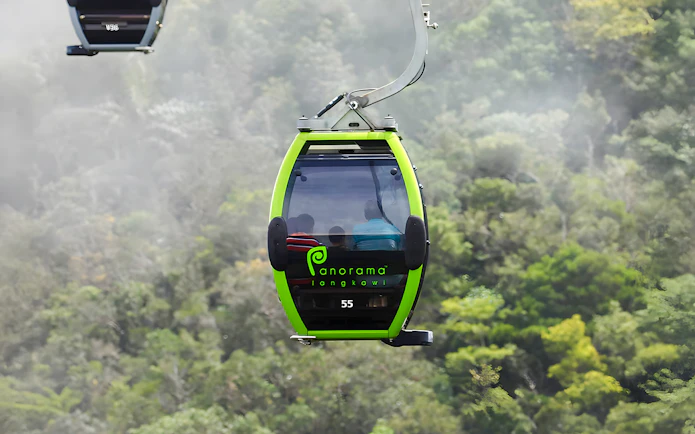
2–3 weeks ahead | Langkawi Cable Car Tickets | Weekend morning slots go first; mornings usually give the best visibility | Weekend mornings: +5–15% vs later-day slots; weekdays mostly flat |
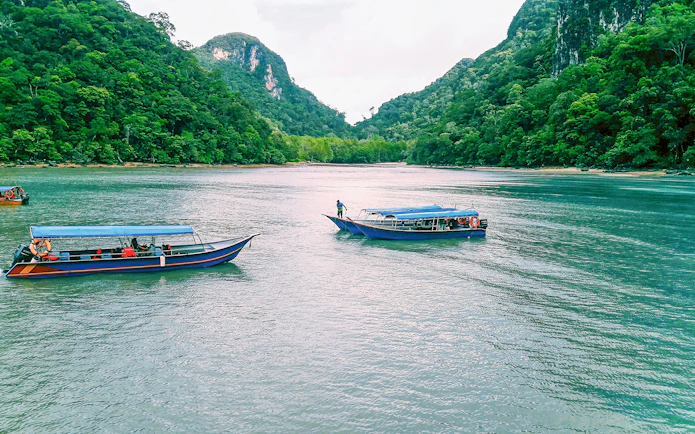
5–10 days ahead | Langkawi Mangrove Tour | Book after checking the weather forecast; morning departures are the safest bet | Shared tours stay stable; private boats can run +15–25% vs shared low-season base |
1–2 weeks ahead | Dream Forest Langkawi Tickets | These are your best wet-weather backups; school-holiday afternoons fill faster | Weekend and school-holiday slots: +5–12% vs weekday daytime |
1 week ahead | Langkawi Sky ATV Ride at Mountain Manchinchang | Book once you know your clearest morning; rain affects comfort more than availability | Usually flat; Saturday morning departures can run +5–10% vs weekday starts |
2–5 days ahead | Langkawi Sky ATV Ride at Mountain Manchinchang | Wildlife Park is easy flex time; lounge is useful if weather disrupts flight timing | Wildlife Park pricing is generally stable; lounge rates stay flat year-round |
July highlights: Must-do experiences for different travellers
Langkawi in July: Your perfect 3-day itinerary
Best day trips from Langkawi in July
Go shopping in Langkawi in July
-
-
-
-