.svg?auto=compress%2Cformat&w=156&h=48&q=90&crop=faces&fit=crop)
- Why this month: In late February 2026, Ramadan bazaars start turning evening meals into the main event.
- Best time: 4:30pm–6:30pm
- Book by: No booking needed
- Crowds: Moderate, rising just before iftar
- You can build dinner from murtabak, grilled meats, kuih, and iced drinks for less than one resort main course.
- Don't miss: Air bandung, bubur lambuk, and griddle-fresh murtabak.
- Insider tip: Bring small notes; stalls move quickly and change is easier early in the evening.
Langkawi in February Weather Crowds Festivals and Tips
Langkawi in dry season: How February compares
| Category | January | February | March |
|---|---|---|---|
Weather | 30–33°C, very dry, clear skies | 30–33°C, dry, slightly longer evenings | 31–33°C, more humidity, late-month showers can start |
Crowds | High, especially around regatta dates | Moderate to high, with spikes around Chinese New Year and Valentine's Day | Moderate to high around Hari Raya dates |
Atmosphere | Peak-season beach holiday mood | Mixed beach-and-festival month with more local celebrations | More family travel, open houses, and a softer late-dry-season feel |
Key events | Royal Langkawi International Regatta, Pongal | Thaipusam, Chinese New Year, Ramadan bazaars begin, RLYC Club Cup | Hari Raya Aidilfitri, Hari Raya open houses, folklore events |
Public holidays | None of the big nationwide February-style clusters | February 3, 17–18, and 20 are key 2026 public-holiday dates | Hari Raya public holidays around March 20–21 in 2026 |
Budget | High, especially in resort zones | High around February 14–20, steadier outside that window | Mixed; holiday dates book fast, then prices can soften |
Best for | Sailing, beach time, premium resorts | First-timers, couples, food-focused trips, festival timing | Cultural visits, local food, and late dry-season value |
Book early? | Yes for luxury resorts and regatta week | Yes for Chinese New Year stays, sunset cruises, and popular tours | Yes for Hari Raya dates and family-friendly hotels |
Transport tips | Ferry and tour operations run smoothly | Roads stay manageable, but airport transfers and ferry areas get busier on holiday dates | Still easy to move around, though holiday dining hours need checking |
Top things to do in Langkawi in February
Offbeat experiences in February
Planning your February visit
| Lead time | What to book | Why & when | Seasonal price change |
|---|---|---|---|
2–3 months ahead | Flights and beachfront hotels | By early December for stays covering February 14–20, when Chinese New Year and Valentine's demand overlap | February 14–20: typically +20–40% vs early-Feb weekday stays |
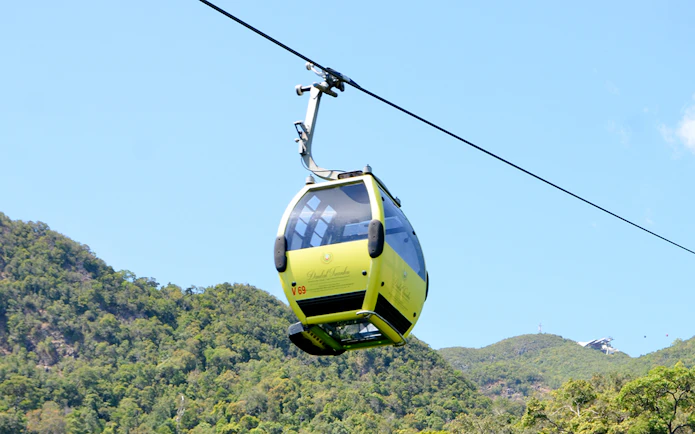
3–6 weeks ahead | Premium Langkawi Cable Car Tickets with Express Lane | Book by late January for February 17–18 and nearby weekend slots, when the cable car gets its longest queues | Holiday dates and late-morning slots: often +10–20% vs first-entry windows |
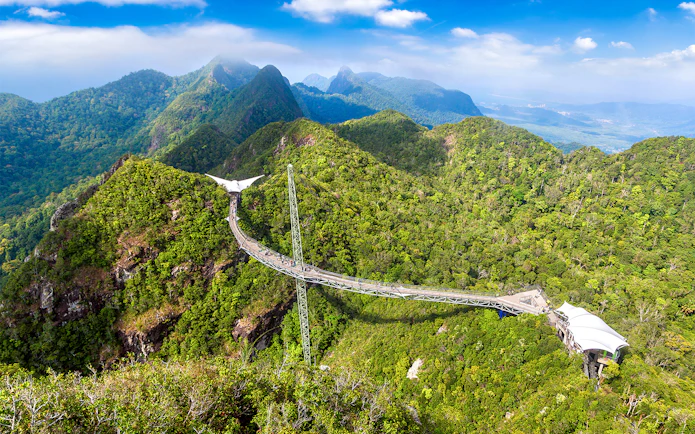
2–4 weeks ahead | Langkawi SkyBridge with Cable Car Tickets | Book at least 2 weeks out for mid-February mornings; clear-weather days sell first | February 14–20: small premium on preferred morning slots; early February closer to base |
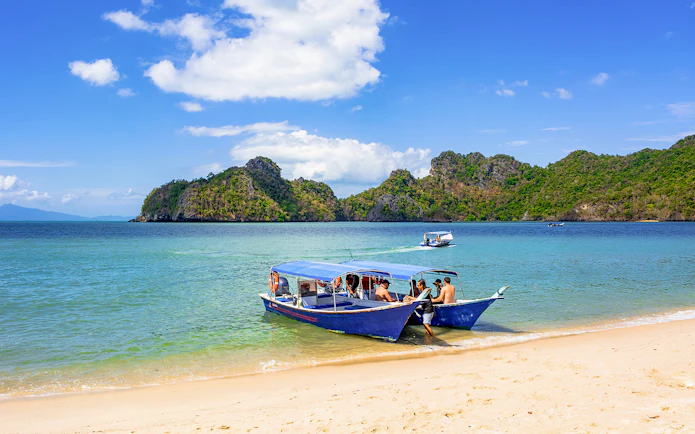
1–2 weeks ahead | By Shared Speedboat: Langkawi Island Hopping Tour | Book by early February for holiday-week departures and weekend boat capacity | February weekends: often +10–15% vs midweek; holiday week can run higher |
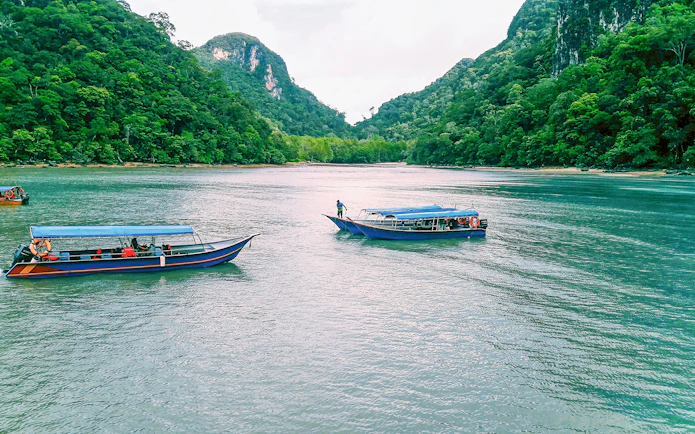
1–2 weeks ahead | Langkawi Mangrove Tour | Book earlier for morning departures, which are cooler and better for wildlife spotting | Shared tours stay fairly stable; private boats can jump on long weekends |
1–2 weeks ahead | Langkawi Sunset Cruise with Buffet Dinner & Unlimited Drinks | February 14 and Chinese New Year week are the key dates; sunset capacity is fixed | February 14 and holiday sunsets: often +15–25% vs regular weekday sailings |
5–7 days ahead | Dream Forest Langkawi Tickets | Evenings after 7pm are best; book sooner if you want a specific holiday-night entry | Usually stable; slight bumps on holiday evenings and school-break dates |
3–5 days ahead | Dream Forest Langkawi Tickets | Useful for hot afternoons or mixed-weather planning; feeding times draw the most visitors | Usually flat; family combo demand rises on holiday dates |
2–5 days ahead | Restaurants for Valentine's Day and Chinese New Year dinners | Reserve by early February for February 14, and at least 1 week ahead for holiday reunion-style dinners | Special menus and beachfront tables: commonly +10–20% vs standard dinner service |
2–3 days ahead | Car and Motorbike Rental Langkawi | February is busy, and self-drive stock moves quickly around public-holiday weekends | Holiday periods: daily rates can rise +10–15% vs ordinary weekdays |
February highlights: Must-do experiences for different travellers
Langkawi in February: Your perfect 3-day itinerary
Best day trips from Langkawi in February
Go shopping in Langkawi in February
-
-
-
-